

January 20, 2026
You clear one pimple, and another shows up a few days later. You switch products. You follow routines. You even stop touching your face. And still, the acne does not fully go away.
If this sounds familiar, you are not doing anything wrong. Acne that lingers usually has deeper reasons. As a cosmetologist in Lucknow, I see this pattern every single day.
The good news is this. Persistent acne is usually explainable. And once you understand the “why,” the solution becomes calmer, safer, and more effective. Let us break it down.
If your acne is not going away, it is rarely because of one mistake. It is usually a combination of internal triggers, improper treatment, and lack of personalisation.
Acne is not just a surface issue. Treating it like one often keeps it coming back. Now, let us explain what that really means.
Think of your skin like a busy city. Your pores are roads. Oil is traffic. Dead skin cells are debris. Bacteria are unwanted visitors. When traffic gets heavy, debris piles up, and bacteria move in, the road gets blocked. That blockage shows up as acne.
Most people only focus on clearing the road. Scrubs. Drying products. Spot treatments. But if you do not manage traffic, debris, and visitors together, the blockage returns. That is why acne can feel so stubborn.
Here are the most common causes I see as a Cosmetologist in Lucknow.
This is very common. Harsh face washes, daily scrubs, alcohol based toners, and strong actives used together can damage your skin barrier. When the barrier weakens, your skin produces more oil to protect itself. More oil means more clogged pores.
Acne does not always need aggression. It often needs calming and balance.
If your breakouts appear around the jawline, chin, or before periods, hormones are often involved. Topical products alone cannot fully fix hormonal acne.
This does not mean you are stuck with it. It means your treatment needs to be guided, supervised, and realistic.
What works for your friend may not work for you. Oily skin, acne-prone skin, sensitive skin, and dehydrated skin all behave differently.
Using the wrong texture or ingredients can quietly worsen acne, even if the product is popular. This is why one-size-fits-all all routines rarely work.
One of the strongest drivers of stubborn acne are stress, poor sleep, irregular meals, and high sugar intake. Take a conscious effort to manage these lifestyle triggers, and you will see your acne fading much faster. Pollution and humidity also contribute to clogged pores.
Skincare alone cannot override daily habits. They have to work together.
Popping pimples, using random home remedies, or frequently changing products can slow healing. This increases the risk of pigmentation and marks that stay long after acne heals.
Let us be honest. Google cannot see your skin. Instagram does not know your medical history.
Online advice is generalised. Acne is personal. What you need is not more products. You need the right approach, at the right strength, at the right time.
This is where guided care makes a real difference.
Most professional acne treatments today are gentle and comfortable.
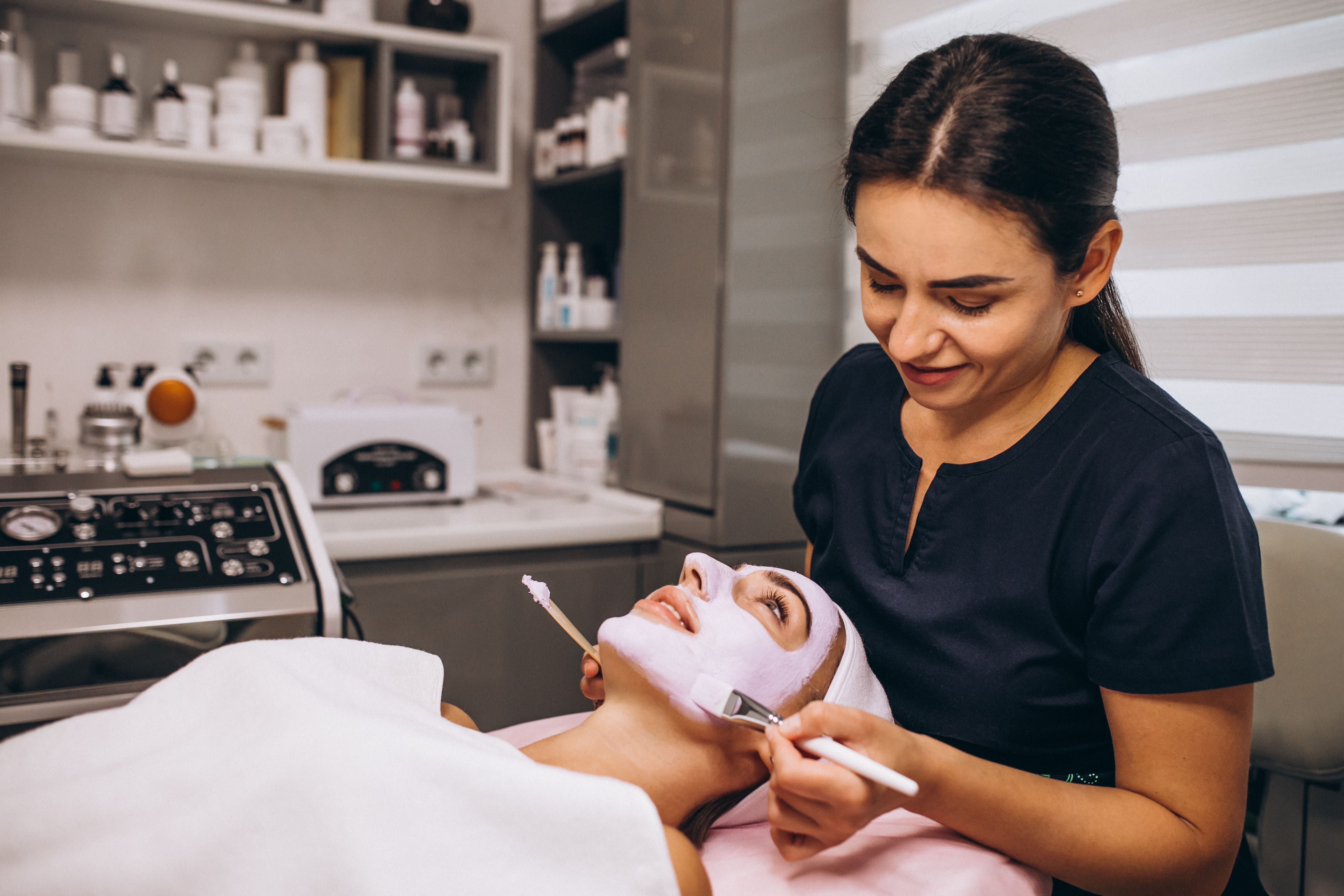
Advanced facials, chemical peels, and calming therapies are designed to support the skin, not punish it. Pain is not a requirement for results.
Many acne treatments have little to no downtime.
Some may cause mild redness that settles quickly. This is discussed clearly before starting.
Nothing is done without your consent or understanding.
Sometimes, yes. But not always.
A guided approach minimises unnecessary purging and focuses on skin health first.
There is honesty here. Acne improvement is a process, not overnight magic.
When acne care is supervised by trained professionals using medical-grade, evidence-based products, safety is the priority.
Your skin should never feel out of control.
No two acne cases are the same.
Your age, hormones, skin type, lifestyle, stress levels, and even climate matter. As a top dermatologist in Lucknow, personalization is the foundation of ethical skincare.
This means:
Individual skin assessment
Tailored treatment plans
Adjusting treatments as your skin responds
No copy-paste routines
This approach is slower, but it is safer and far more effective long-term.
Acne is not just cosmetic. It can affect confidence, mental health, and long-term skin quality. That is why supervised care matters.
Professional acne management includes:
Trained professionals
Medical grade products
Evidence-based protocols
Ethical decision making
Calm, guided progress
This is not about selling treatments. It is about protecting your skin while improving it.
If your acne falls under any of the below, you should seek professional help:
Has lasted more than six months
Keeps returning in cycles
Leaves marks or pigmentation
Affects your confidence
Does not respond to home care
That is usually a sign to stop experimenting and start guiding.
There is no failure in asking for help. It is often the turning point.
If your acne is not going away, it does not mean your skin is difficult. It means it needs understanding, patience, and the right support.
As a cosmetologist in Lucknow, my approach is simple.
Listen first.
Assess carefully.
Treat gently.
No pressure. No judgment. No rushed promises.
If you are ready to talk about your skin, we can take that step together. And if you are not ready yet, that is okay too. We will be here when you are. No pressure. Just care.
Visit: https://www.ambercosmetology.com/
412 Post views
Real skin ages. Real faces change. And at some poi...
26 Feb, 2026
Let’s just say it out loud. When people think ab...
26 Feb, 2026
Laser treatments can sound intimidating at first.H...
23 Jan, 2026
Laser Treatment (11)
Hydrafacial (10)
Botox Treatment (6)
Anti Ageing (3)
Chemical Peels Treatment (3)
Body Contouring Treatment (0)
Dermatology (6)
Others (1)


